So I read about how leaders (usually) have a positive impact on those around them and have a welcoming atmosphere, allowing stress-free environments and what not. While I wholeheartedly agree to this, I just can't help but think of how the Japanese society does not embrace this concept whatsoever. There is a strict hierarchical system which often times causes those 'below' others to NOT be comfortable around many 'sempai' resulting in a system where there is no peace. Of course, there are people who have the qualities of a great leader. However, (for the most part) things don't go so well and people are stuck with others who have no (or not much) respect for each other, and do not work happily. Now, I say 'happily' since (according to the Harvard review) these emotions do transfer to those around you. Thus, a working environment must have at least ONE person who is positive, and slowly their influence will reach others. Though it sounds like an epidemic, it's a good one. I guess you can say that the Japanese phrase "chiri mo tsumoreba yamani to naru" (piled-up specks of dust become a mountain) is actually true. Thus, we can all just become a better person if we want others around us to be like so! Also, as long as someone else is positive, we will probably naturally become more positive. What a wonderful world.
(yes, vice versa is true too, but let's forget about that for now)
So, looking at a bunch of articles about leaders, I've found that most of them were people that were enjoyable to be around. Perhaps they were the center of positivity which allowed everyone else to be positive. The thing is, it must be hard for people to be positive 24/7 so I wonder where/when their negative side comes out. I guess people can't be perfect. Oh well.
Tuesday, 24 September 2013

Blog 2 - Mr.Shakleton [RW] (16/9/2013)
So Shakleton DID get his entire crew out alive. wow.
But wait, HOW DID THIS HAPPEN IN THE FIRST PLACE?
After reading through the adventures of Shakleton and crew, I didn't understand why such a great decision maker such as Shakleton would choose to throw his crew into an almost suicidal mission. He did have information about how bad the conditions were (the regular conditions weren't even good to begin with) yet he choose to go on the expedition just to prove himself to the world. I wouldn't call someone like that a 'perfect' leader. But then again, who's perfect? In the end he saved everyone and obviously has the qualities of a good leader. It's just that he is still human; he makes mistakes.
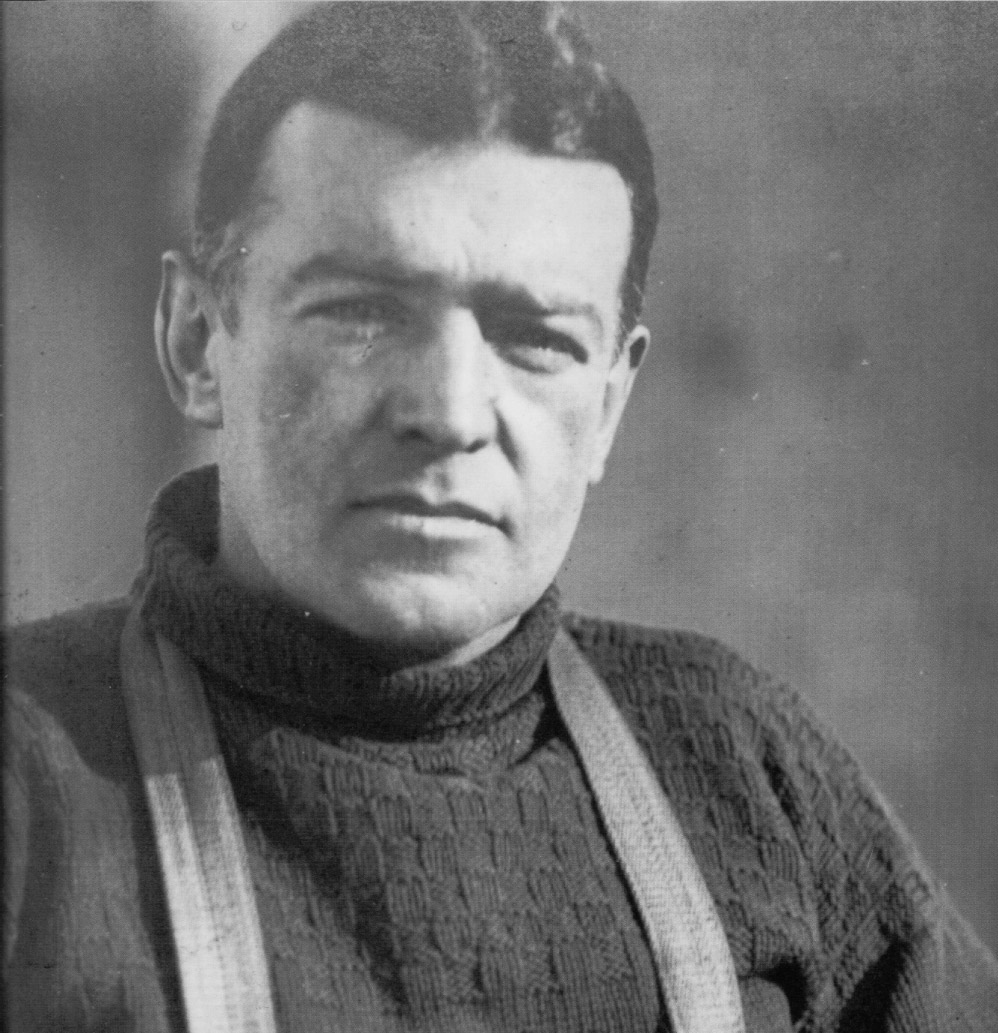
So, what I learned through reading the beginning of the book ISN'T to criticize great leaders for making mistakes, but the fact that even the best leaders DO make mistakes. Knowing that mistakes are (at times) acceptable makes me feel as though I can become a leader one day as well.
But wait, HOW DID THIS HAPPEN IN THE FIRST PLACE?
After reading through the adventures of Shakleton and crew, I didn't understand why such a great decision maker such as Shakleton would choose to throw his crew into an almost suicidal mission. He did have information about how bad the conditions were (the regular conditions weren't even good to begin with) yet he choose to go on the expedition just to prove himself to the world. I wouldn't call someone like that a 'perfect' leader. But then again, who's perfect? In the end he saved everyone and obviously has the qualities of a good leader. It's just that he is still human; he makes mistakes.
So, what I learned through reading the beginning of the book ISN'T to criticize great leaders for making mistakes, but the fact that even the best leaders DO make mistakes. Knowing that mistakes are (at times) acceptable makes me feel as though I can become a leader one day as well.
Subscribe to:
Comments (Atom)